George Drury Smith (March 19, 1927–August 28, 2026)
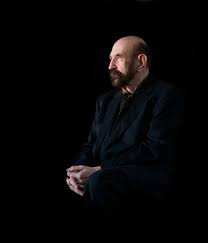
I was saddened to learn of the passing of George Drury Smith, the founder of Beyond Baroque Literary/Arts Center. For those of us who have been part of Beyond Baroque, George was more than the man who founded an organization. He was the person who imagined that such a place could exist at all.
George founded Beyond Baroque in Venice in 1968, initially as an experimental literary magazine. But almost immediately it became something larger: a place where writers could meet one another, argue about poetry, read new work, publish, experiment, and form a community. That impulse—to make a place for writers rather than simply an institution about writing—remained at the heart of Beyond Baroque throughout its history.
George was also part of another remarkable strand of Venice’s cultural history. He was a member of the Temple of Man. The Temple of Man belonged to the eccentric, visionary tradition of Venice that resisted easy distinctions between poetry, art, philosophy, and spiritual life. Its shrine is now housed in the Beyond Baroque garden. I have always found that fitting. The shrine and Beyond Baroque share something essential: both came out of the conviction that art is not merely something to be consumed but something around which a community can be built.
I first walked into Beyond Baroque in the summer of 1980, when it was already housed in the old Venice City Hall. I could not have known then how important that building, and the community gathered inside it, would become in my life. Years later I joined the board, and in 2010 I became executive director.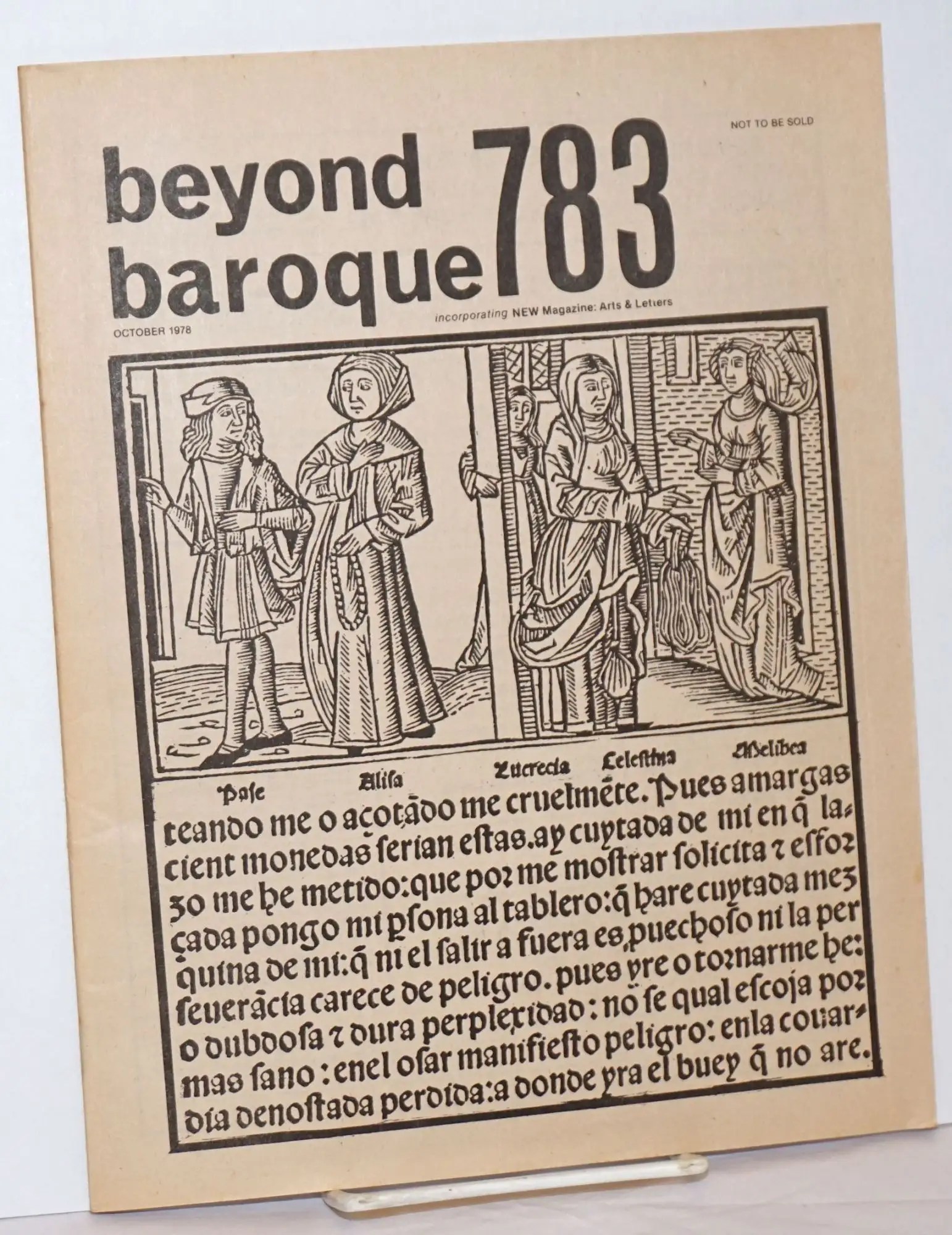
That year was an important turning point. Beyond Baroque was being relaunched with a renewed sense of purpose and possibility. We called the celebration “2010: A Beyond Baroque Odyssey,” and George was there supporting us. His presence mattered. Here was the founder of the institution standing behind an effort to renew it for another generation.
George’s support during that period meant a lot to me personally. A founder can sometimes have difficulty watching later generations change the thing he created. George understood something more important: an institution survives only if it is allowed to keep becoming itself.
During my years as executive director, I tried to honor what George had begun while making certain Beyond Baroque would have a future. We expanded programming, strengthened the organization, supported the workshops, readings, publishing, visual arts, and performances that made the Center such an unusual cultural home, and worked to bring new generations of writers into a place already rich with literary history. The George Drury Smith Award for Outstanding Achievement in Poetry, established during those years, was one way of making his name permanently part of the Center’s continuing life.
But George’s real monument was never an award, a plaque, a building, or even the institution itself. It was the community that grew from his original act of imagination.
George came to Venice looking for the literary community associated with the Beats and discovered that much of that world had already disappeared. So he did something remarkable: instead of mourning the community that was gone, he helped create another one.
That is the George I will remember.
He understood that literature is made by individual writers, often alone at a desk, but literary culture requires something else. It requires rooms. It requires conversations. It requires arguments and friendships, folding chairs and battered books, workshops and readings, people willing to listen to somebody they have never heard of before. Above all, it requires someone willing to open the door.
George opened that door in Venice in 1968.
Thousands of writers and artists walked through it.
I was fortunate enough to be one of them, and later, as executive director, to have the responsibility of keeping that door open. I will always be grateful that George trusted and supported the work we did during the 2010 relaunch and in the years that followed.
There is something particularly moving now about the Temple of Man shrine standing in the Beyond Baroque garden. George belonged to both histories. The shrine is a physical reminder of a Venice in which poets, artists, seekers, eccentrics, and outsiders created their own institutions because the institutions they needed did not yet exist. Beyond Baroque came from much the same spirit.
George Drury Smith gave Los Angeles something exceedingly rare: a literary institution that became a community, and a community that endured.
His passing closes a chapter in the history of Beyond Baroque and in the literary history of Los Angeles. But every time a young poet walks into that old Venice City Hall for the first time, carrying a few poems and not knowing quite what will happen next, something of George’s original gesture begins again.
And the shrine in the garden says something similar: what has been built with imagination and devotion does not simply disappear. It becomes part of the place.
For George’s vision, his friendship, his support of the work I undertook at Beyond Baroque, and the remarkable place he made possible, I will always remember him with gratitude.
– Richard Modiano Director Emeritus Beyond Baroque Foundation
—

Categories: Beyond Baroque, Poetry, Venice, Venice Beats